

What Are Asbestos Claims?
A claim is an assertion that can either be true or false. It is not possible to be both at the same time.
The scar tissue stops the lung from expanding and filling with oxygen. This causes shortness in breath, as well as other symptoms like coughing sound and crackling sounds in the chest.
Symptoms
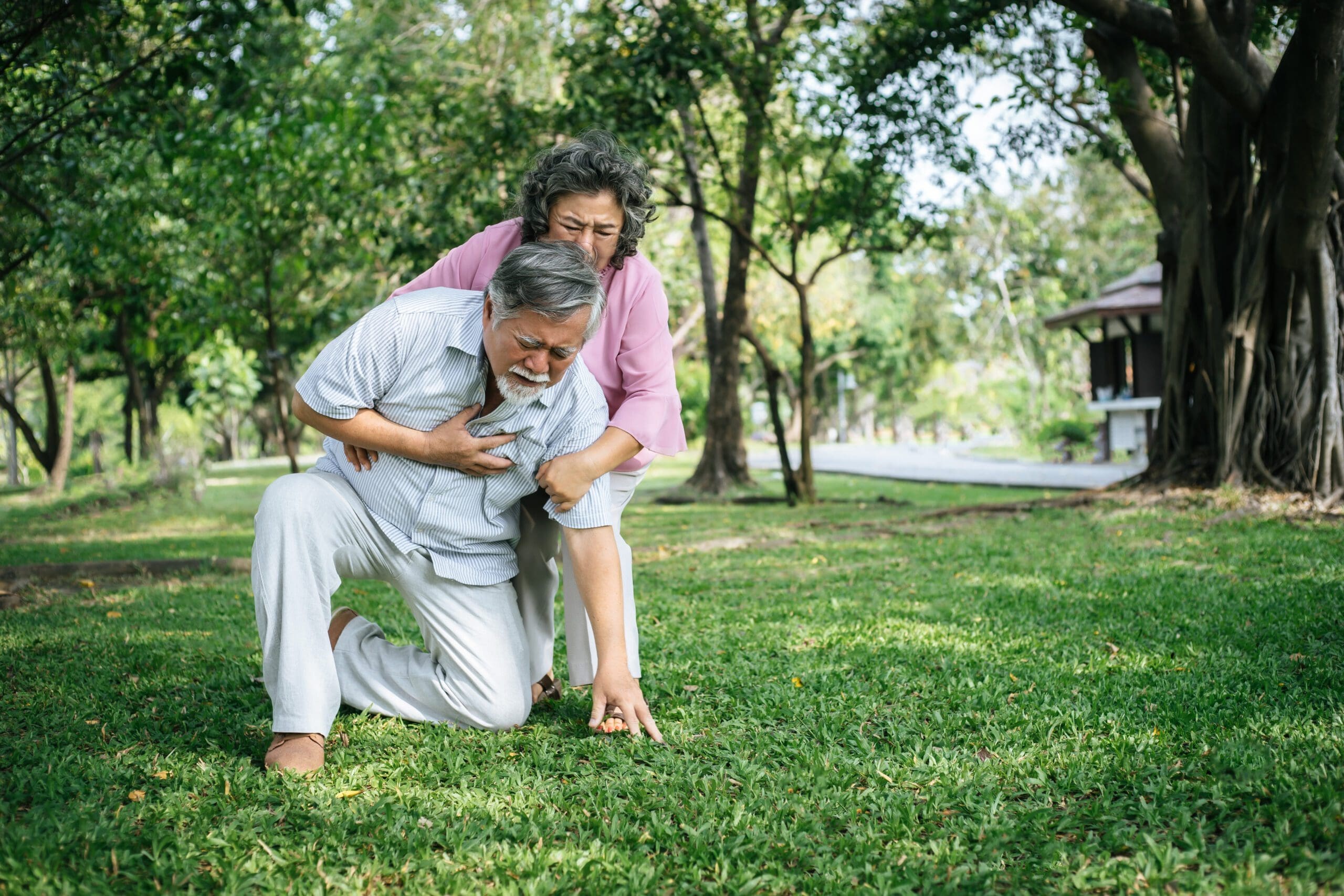
Asbestosis usually starts in the chest. This is because scar tissue develops in large lung areas that stiffens the lung and makes it more difficult to expand them. The stiffness may eventually lead to severe shortness in breath. Other symptoms include chest discomfort, persistent coughing and weight loss. A person suffering from severe asbestosis could also develop corpulmonale which is a type of heart failure.
Doctors diagnose asbestosis through an extensive medical history and a variety of tests. They will inquire with the patient about any asbestos exposure and listen to their breathing using a instrument called a stethoscope. If the doctor hears crackling in the lungs, it's an indication that asbestosis is present. To determine the severity of asbestosis, doctors will order a chest CT scan and an X-ray. The X-rays will show the lungs and any other abnormalities. The CT scan will reveal the lung's thickness and any scarring.
A lung biopsy isn't often needed to diagnose asbestosis. A biopsy is usually performed to detect other diseases that are common in workers who have been exposed to asbestos for a long time, such as lung cancer or mesothelioma.
Asbestosis isn't curable however, treatment can help to ease symptoms and slow the progression of the illness. Patients are advised to stay away from smoking and drink plenty of fluids to keep hydrated. They should also receive regular vaccines against pneumococcal and influenza to reduce their chance of contracting infection. Doctors will also prescribe medications to reduce secretions and open up the airways, such as Gauifenesin. They may also recommend oxygen supplements that are delivered via tanks that are thin tubes that have prongs that fit into the nose or mouth. Programs for rehabilitation that incorporate exercises and behavioral changes can improve the quality of life for those suffering from chronic lung diseases.
In some cases the need for a lung transplant is needed to relieve the severe shortness of breathe caused by severe asbestosis. The long and complex lung transplant procedure isn't suitable for many asbestosis sufferers.
Diagnosis
Asbestos fibers can get stuck in the lungs when inhaled. This results in scarring and stiffening of the lungs, making it difficult to breathe. This can lead to a gradual decline in lung function and possibly respiratory failure over time. People with an extensive history of working in industries like mining, shipbuilding, or construction are at risk of developing this condition.
Doctors identify the condition by reviewing a patient's medical history and performing several diagnostic tests. In a physical examination, doctors might hear crackling sounds known as inspiratory Basilar Crackles. The cracks result from the scarring and stiffening of the lungs' tissue. In some cases X-rays can confirm a diagnosis. On X-rays advanced cases of asbestosis look like honeycombs, or white, the initial stages aren't as apparent.
Other tests include the pulmonary function test which evaluates the way in which the lungs function, and the spirometer, which measures the amount of air a person can exhale and breathe. A CT scan can give an even more detailed view of the lungs and their surrounding structures, than a standard chest X-ray. This test can detect the early stages of the disease before they appear on an X-ray of the chest.
You should see your doctor if you experience symptoms of asbestosis as soon as is possible. Early diagnosis and treatment can reduce the severity of symptoms.
Asbestosis can take a long time to develop. However patients can avoid the symptoms of asbestosis by pursuing a healthy life style and avoiding exposure to asbestos. A balanced diet and sufficient sleep can aid in regulating energy levels. Patients can also lower the risk of developing complications by getting the pneumonia and influenza vaccines, and washing their hands frequently.
Smoking is also important for those who suffer from asbestosis since secondhand smoke can make the disease more severe. Bloomington asbestos lawyer can also reduce their symptoms by avoiding stress, eating a balanced diet, and exercising regularly but without expending too much energy.
Treatment
Asbestosis cannot be treated however treatment can help alleviate symptoms and improve breathing. Shortness of breath, fatigue and chest pain are just a few symptoms. These symptoms are due to the lung scars caused by asbestos fibers embedded in. These scars interfere with the natural lung processes. Oxygen therapy is a method to relieve symptoms. Other noninvasive procedures such as thoracentesis can be used to eliminate excess fluid from the lungs. Other treatment options include pulmonary rehabilitation, which helps patients regain control over their everyday activities. These programs can be offered in a clinic or hospital, or even at home. Patients can also receive treatment that is supportive including massage and acupuncture.
In a physical examination doctors may utilize a stethoscope for listening to the lungs and look for signs of scarring on the lungs. There may be crackling sounds which could indicate the presence of asbestosis in the lung. A doctor can test for clubbing in the fingers as an indication of pneumoconiosis an asbestos-related disease.
If a patient's doctor suspects they may have asbestosis, they may order a CT scan or X-ray to examine the lungs in greater detail. A biopsy may be done to look for asbestos fibers in a sample of lung tissues. They can also test the blood of a patient to determine if the lungs are functioning and how much oxygen is transferred from the lung to the cells of the body.
Doctors may test for other ailments like mesothelioma or lung cancer. They can detect these diseases with a pleural biopsy, which involves inserting a needle into the pleura to collect tiny samples of the lining of the lungs to be tested further.
Smoking is a major cause of lung disease. People suffering from chronic pulmonary disease can avoid further complications by not smoking and following the doctor's orders regarding pulmonary rehab and supportive treatment. Additionally, they should be sure to get the flu vaccine, pneumonia vaccine and other vaccinations. They should also talk to their doctor about obtaining a lung transplant if the disease is advanced. This is a last-resort for patients, but could help with serious symptoms as well as prolong life.
Recovery
Asbestosis is a chronic illness that isn't curable, but there are ways to lessen symptoms. The most important thing to do is stay away from exposure to asbestos. This means avoiding structures and construction sites which haven't been tested for asbestos. It also means never altering the materials in older homes. And it means always wearing the proper personal protective equipment when working on renovation and construction projects. Patients can also reduce symptoms by eating a balanced diet and drinking plenty of fluids to ensure that they're getting sufficient nutrients. Staying hydrated helps patients maintain their energy levels and pulmonary functions. Patients can also improve their breathing by regularly exercising and taking breaks during work or daily activities to lessen fatigue. Additionally, patients should quit smoking and take steps to prevent respiratory infections by obtaining flu and pneumonia vaccines and regularly washing their hands.
This condition occurs when scar tissue forms on the lung. This makes it difficult for them to expand, and fill up with air. The condition is characterized by a dry cough, a shortness of breath, and crackling sounds. In more advanced cases the stiffening lungs can reduce the blood's oxygen supply which can cause symptoms such as fatigue and weight loss.
To diagnose the illness Doctors will examine you and ask about your medical background, including any asbestos exposure. They will also listen to your lung function tests. The test for pulmonary function can be used to measure the efficiency of your lungs and identify early stages of disease. Imaging scans such as X scans or CT scans can detect changes in the lungs due to asbestos exposure. They can also help doctors determine what stage the disease is at.
Asbestosis differs from emphysema, which results from damage to the lung's walls and the air sacs. The signs and symptoms of the disease are different from those of Emphysema. Other conditions that affect the interstitium of the lungs include rheumatoid arthritis, hypersensitive pneumonitis (also called hypersensitive pneumonitis), pleuropulmonary fibrouselastosis (also called drug-induced fibrosis), and idiopathic lung the fibrosis. The symptoms of each of these conditions can be similar to those that are associated with asbestosis, which is why it's essential for healthcare professionals to recognize the two.